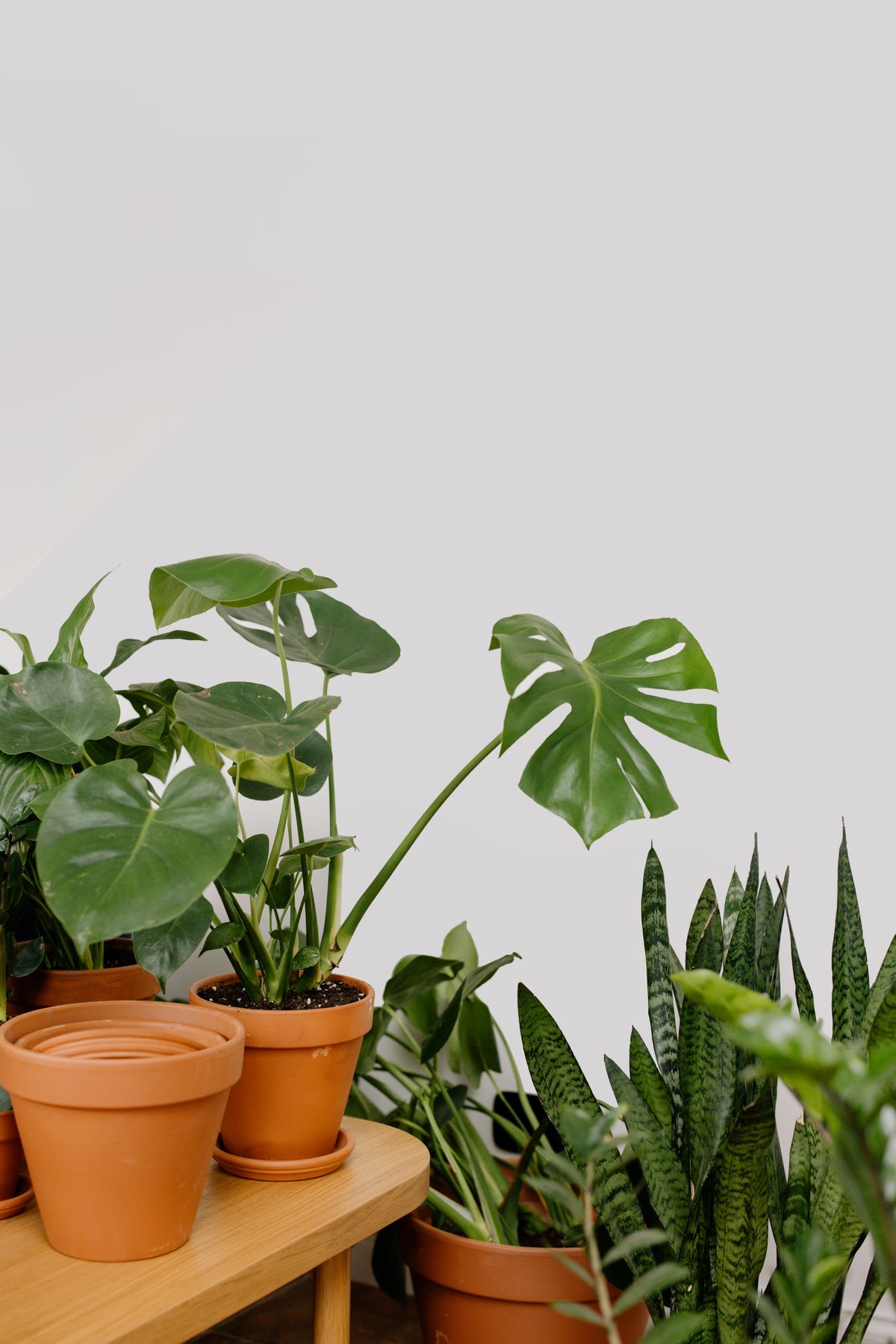
If you've killed a plant or two, you're in the right place — most of us have. Houseplants don't need a green thumb; they need a few habits done consistently. This guide covers the four things that decide whether a plant lives or dies, in the order they matter.
1. Light is the fuel
A plant can survive low light; it can't survive no light, and it can't survive light that's wrong for its species. Before buying anything, watch your windows for a day.
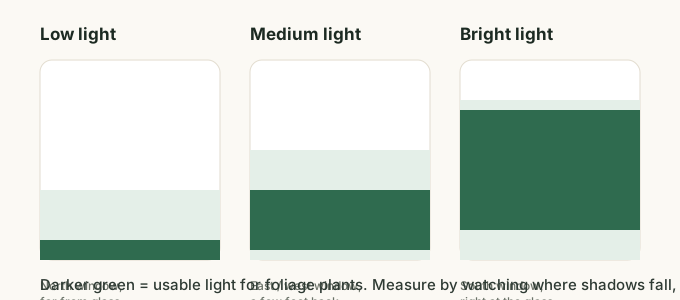
North windows give soft, steady light — fine for pothos, snake plants and ZZ plants. East gives gentle morning sun. West gives stronger afternoon sun. South is the brightest and suits succulents, herbs and flowering plants. If you only have a north window, buy a low-light plant and stop fighting it.
2. Water: less than you think
Overwatering kills more houseplants than drought. The soil should dry out between drinks for most species. Use the finger test: push a finger 2–3 cm in; if it's still damp, wait.
The "weekly water" rule is a trap
A plant's need changes with season, humidity and light. In winter many plants want water half as often. Water by the soil, not the calendar.3. Soil and pot: drainage is everything
Use a pot with a drainage hole and a peat-free indoor mix. "Decorative" pots without holes cause the root rot we see most. Mix in perlite so roots can breathe.
4. Habits that beat neglect
Check, don't water on schedule
Glance at the soil every few days; water only when it's ready.
Dust the leaves
A leafy plant photosynthesises through clean surfaces. Wipe monthly with a damp cloth.
Rotate weekly
Plants lean toward light. A quarter turn keeps them even and upright.
Learn one plant well
Master a pothos or snake plant first; the patterns transfer to everything else.
What's the easiest plant to start with?
A pothos or snake plant. Both tolerate low light and irregular watering and forgive most beginner mistakes.
How do I know if I'm overwatering?
Yellow leaves on wet soil, a musty smell, and black mushy stems at the base. Let the soil dry and ease off.
Should I mist my plants?
Mostly no. Misting briefly raises humidity then evaporates. Group plants or use a pebble tray instead — see the humidity guide.
What "doing well" looks like
You'll know a plant is happy by new growth: a pothos putting out a leaf every couple of weeks, a monstera unfurling a bigger split leaf, a snake plant sending up a new shoot. Steady new growth in season is the signal; a plant that just sits there isn't dying, it's probably resting — especially in winter.
The three mistakes to quit
- Watering on a calendar. Check the soil; most plants want it dry between drinks.
- Buying for the photo. Buy for your light and habits, or it won't last.
- Repotting on arrival. A new plant needs to settle, not a shock. Wait weeks.
Where to go next
Pick one plant, read its profile, and start. When something looks wrong, the troubleshooting guide and pest guide will usually tell you why. Keep it simple, watch the soil, and you'll be surprised how few plants you lose.