
Post-house Earth

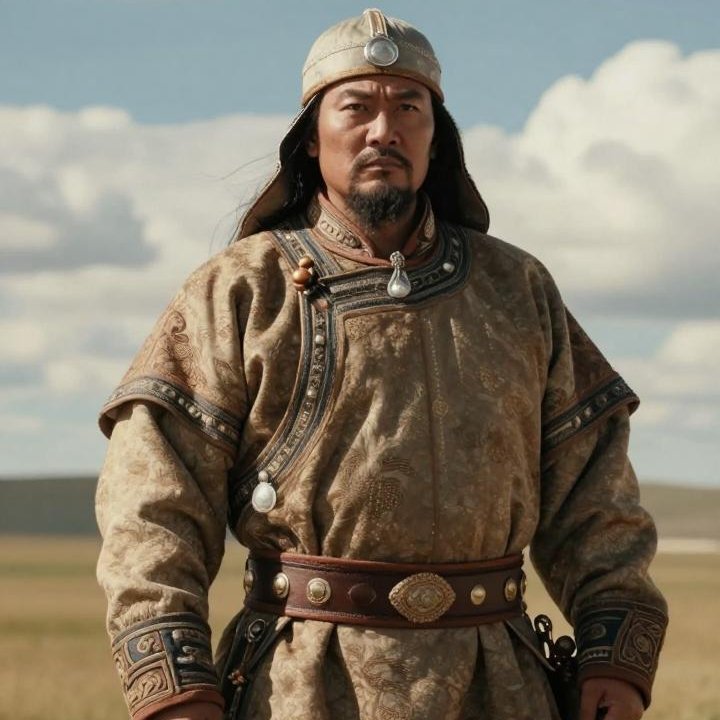
Genghis Khan

Post-house Earth is a type of Nayin in the Five Elements philosophy, corresponding to the Chinese Heavenly Stems and Earthly Branches Wushen and Jiyou. It embodies vast tolerance, a journey of ten thousand miles, universal vision, bold pioneering and integration, with grand vision.

The representative figure of this spirit is Genghis Khan. He unified the Mongol tribes, led expeditions that opened channels of communication between Eastern and Western civilizations, promoted ethnic integration with a broad mind, and shaped the world pattern.

Daily trivialities easily narrow our hearts, making us fixate on gains and losses, until the path of life grows smaller and smaller.

Similar Posts

  • Sand Earth

    Isaac Newton Sand Earth is a type of Nayin in the Five Elements. It corresponds to the Chinese Heavenly Stems and Earthly Branches Bingchen and Dingsi. The symbolic state of this Nayin is introverted, profound, and builds up strength quietly before achieving great success. It appears low-key and gentle, yet contains extraordinary wisdom and immense…

  • Flatland Wood

    Mother Teresa Flatland Wood is a type of Nayin in the Five Elements. It corresponds to the Chinese Heavenly Stems and Earthly Branches: Wuxu and Jihai. The symbolic nature of this Nayin is ordinary yet resilient, compassionate and kind, taking root in ordinary life and dedicating quietly, warming the world with small but steady power….

  • Willow Wood

    Abraham Lincoln Willow Wood is a type of Nayin in the Five Elements philosophy, corresponding to the Chinese Heavenly Stems and Earthly Branches Renwu and Guiwei. It represents flexibility, tolerance, gentle resolve, adaptability, and the ability to bend without breaking, overcoming rigidity with softness while embodying great compassion. The representative figure of this spirit is…

  • Mulberry & Zhew Wood

    Charles Dickens Mulberry & Zhew Wood corresponds to the Chinese Heavenly Stems and Earthly Branches Renzi and Guichou. It is flexible yet upright, practical and warm, with both worldly wisdom and gentle empathy. Dickens used his pen to expose social realities while comforting people with his words, influencing his era with down-to-earth strength. We often…

  • Great Forest Wood

    Winston Churchill Great Forest Wood is a type of Nayin in the Five Elements philosophy, corresponding to the Chinese Heavenly Stems and Earthly Branches Wuchen and Jisi. It embodies steadfast resilience, calm reliability, and the strength to be a firm support in times of crisis—responsible, composed, and protective like towering ancient trees. The representative figure…

  • Sand-Covered Gold

    Thomas Edison Sand-Covered Gold is a type of Nayin in the Five Elements philosophy, corresponding to the Chinese Heavenly Stems and Earthly Branches Jiawu and Yiwei. It symbolizes the spirit of refining gold from sand—unyielding perseverance, growing through repeated trials, and eventually shining bright after overcoming setbacks. The representative figure of this spirit is Thomas…

Leave a Reply

Your email address will not be published. Required fields are marked *